The Treatment division creates community-facing resources for each of its initiatives as well as resources that touch upon several aspects of our work. Below is a collection of current resources that have been developed by the Treatment division.
Resources:
-
National HIV/AIDS Advocacy Network (NHAAN)
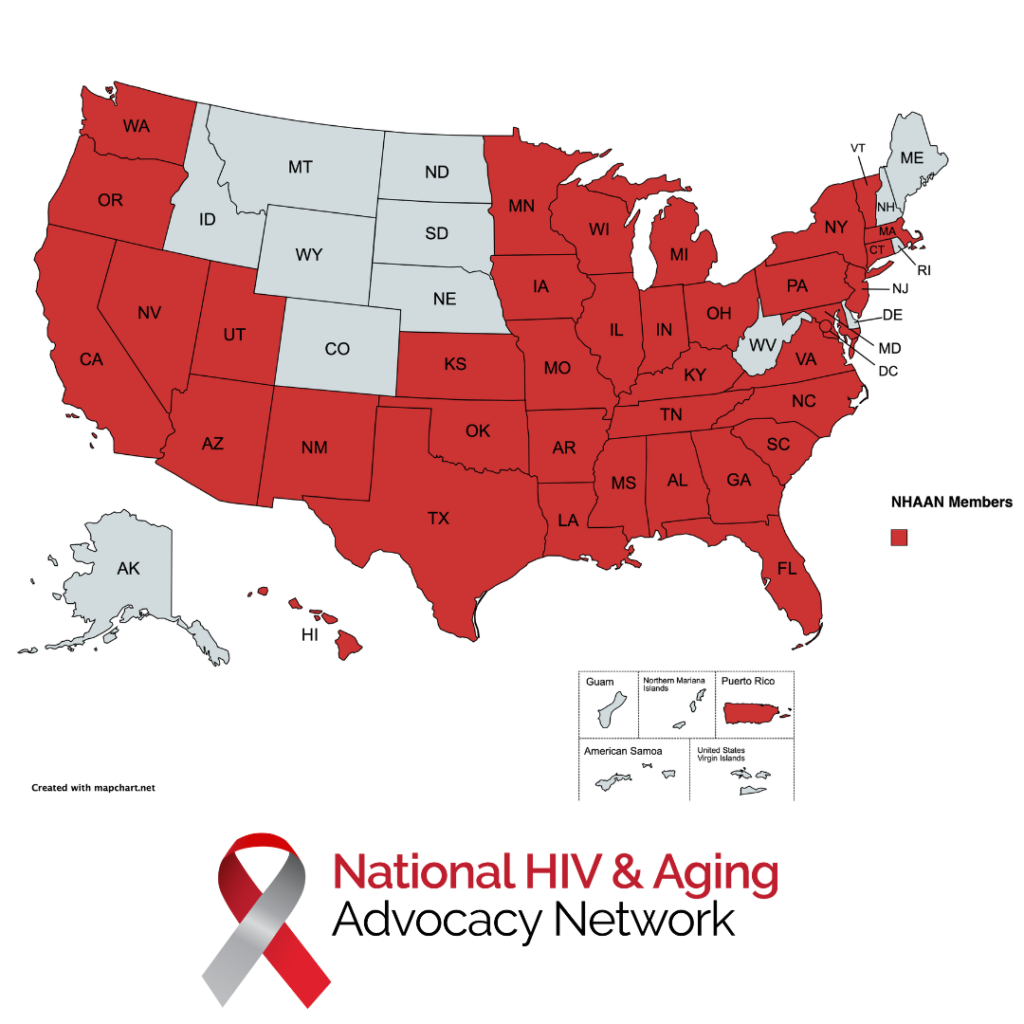
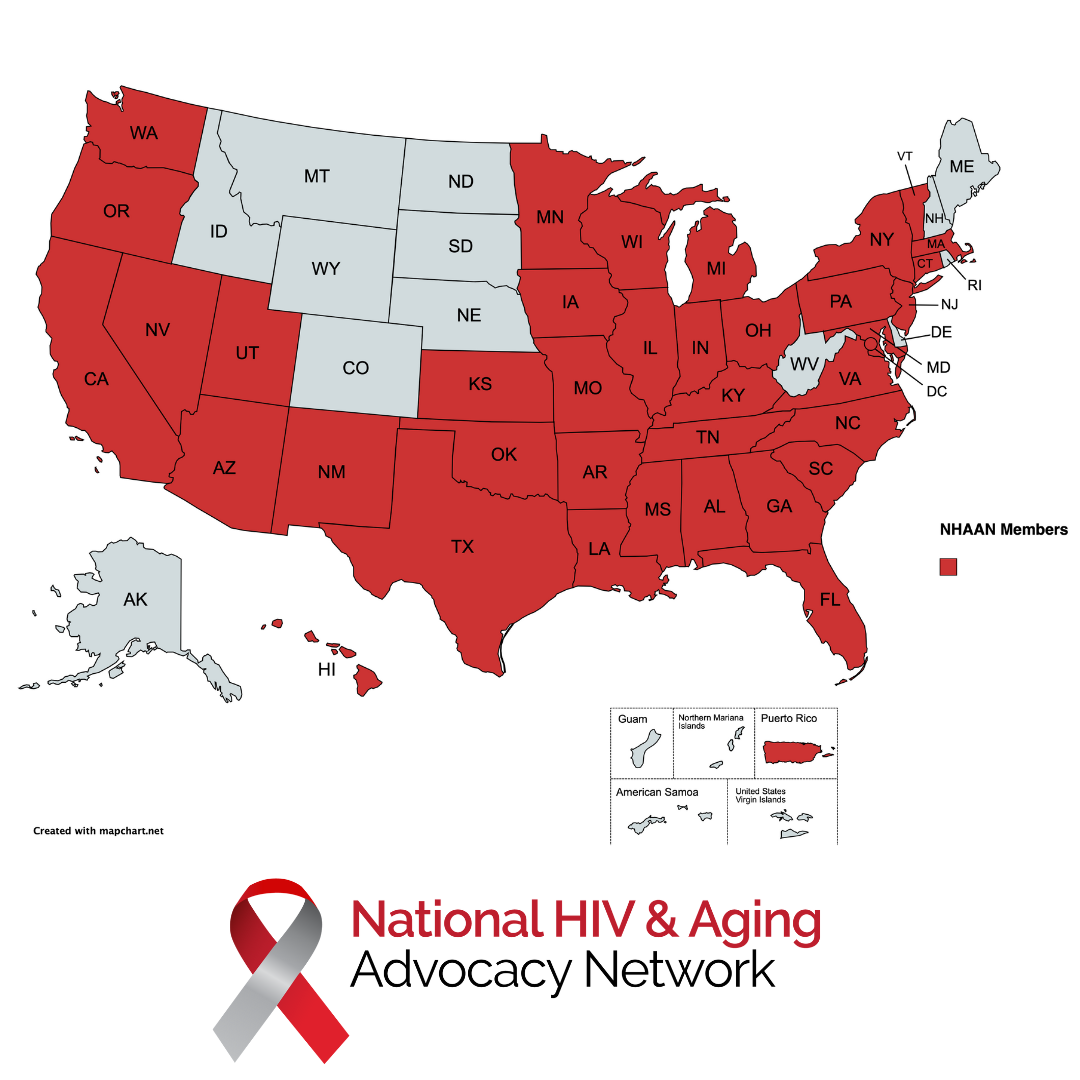
The National HIV & Aging Advocacy Network (NHAAN) is a network of individuals advocating for our collective and cumulative interests as persons aging with HIV. We envision a world in which all people thrive as they age with HIV: physically, socially, financially, spiritually, emotionally and in all aspects of our lives. To start, the Network is an unincorporated project sponsored by NMAC as part of its HIV 50+ Strong and Healthy program.
Our community has a long, proud history of leadership, self-advocacy, and community action to care for each other, principles first expressed through the Denver Principles and later by the GIPA/MIPA principles(Greater Involvement of People with HIV/AIDS and Meaningful Involvement of People with HIV/AIDS).We form this Network to honor the legacy of those who lit the way, accept the torch they have carried this far, and commit ourselves to light the way forward by advocating for their welfare and that of all who are aging with HIV.
-
Educational Webinar Series
Each year, Treatment organizes online educational webinar series that deal with the latest information and research regarding aging and HIV, advocacy and policy for older people, and report backs from the latest HIV conferences, such as USCHA, the Biomedical HIV Prevention Summit, IAS, and CROI.
The purpose of these series is to ensure our communities have a sustained learning experience and that information is presented in a way that is accessible to communities that most need the information. NMAC regularly collaborates with GMHC/ACRIA, FAPP, CDC, and other groups to develop, coordinate, and promote educational activities and webinars.
You can view past Treatment 50+ webinars here.
-
Language Justice
Over the span of 12 months, NMAC partnered with Tilde to develop an inclusive process aimed at identifying enhanced language justice practices. The initiative advanced with the leadership of Damián Cabrera and Moisés Agosto, together with the Language Justice Committee.
Through a combination of internal and external activities, this project successfully gathered important insights on language justice. The report presents highlights from NMAC’s own language justice progression and encompasses reflections from staff and participants, best practices, and priorities for broader implementation. These findings not only contribute to NMAC’s work towards equity but are also aimed at supporting others seeking to incorporate a language-focused approach.