NMAC & The HIV Movement
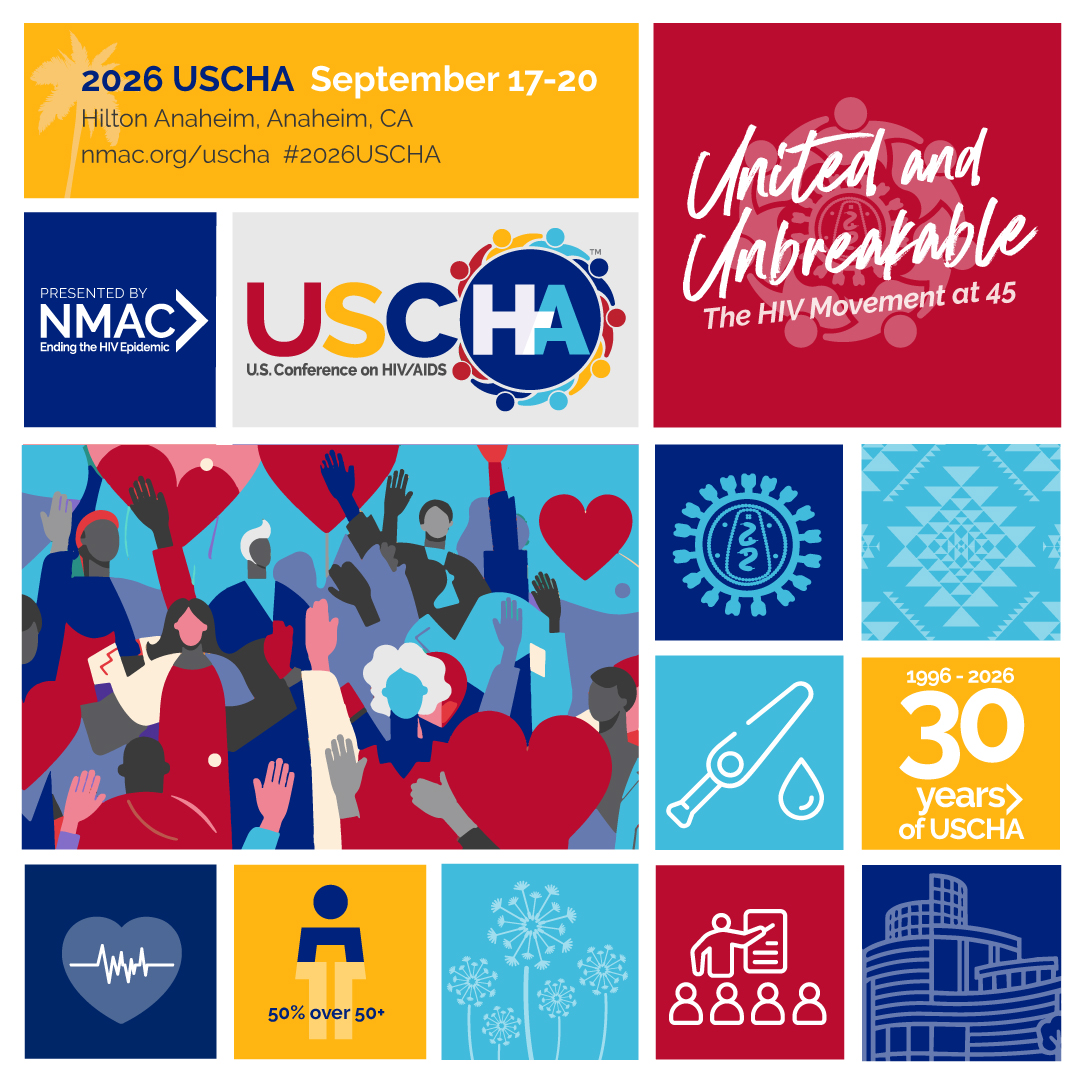
Launched in 1987 during the early years of the HIV/AIDS crisis in the United States, NMAC is a national HIV organization that offers capacity building, leadership development, policy education, and public engagement to end the HIV epidemic among communities most impacted in the United States. We convene the Biomedical HIV Prevention Summit – the nation’s largest gathering of the HIV/STI workforce focused on enhancing access to HIV prevention including Treatment as Prevention and the U.S. Conference on HIV/AIDS – the nation’s largest gathering for community mobilization and public health education for a whole-person health approach.

Strategic Vision
In preparation for NMAC’s first leadership transition in almost four decades, we completed a yearlong strategic planning process in 2025.
Our new Strategic Plan, refreshed Vision and Mission, and 6 new Strategic Priorities are based on extensive community, partner, funder, and internal team feedback. Launched in 2026, this evolved organizational framework will guide the expansion of our partnerships, programs, policy priorities, and community engagement.


6 Strategic Priorities


NMAC Leadership

Harold J. Phillips, MRP
Chief Executive Officer, NMAC
Harold J. Phillips is a nationally recognized HIV policy leader and public health strategist with over 30 years of experience advancing equity, access, and innovation in the fight against HIV/AIDS. In 2025, he was appointed CEO of NMAC, where he leads efforts to center racial justice and community leadership in the national response to HIV.
Previously, Phillips served as Director of the White House Office of National AIDS Policy (2021–2024), overseeing the implementation of the National HIV/AIDS Strategy and shaping federal policy to accelerate progress toward ending the epidemic. He also held senior roles at the Health Resources and Services Administration’s HIV/AIDS Bureau, where he managed key programs including the Ryan White HIV AIDS Programs Parts A and B, the AIDS Education and Training Centers, Special Projects of National Significance and PEPFAR-funded initiatives.